Nassif House Museum – History, Location & Visitor Guide
Nassif House Museum stands as one of the most important historical and cultural landmarks in Jeddah, offering visitors a meaningful introduction to the city’s rich past. Located in the heart of Al Balad, the historic old town, the museum is housed inside a carefully preserved traditional residence that reflects the architectural character and social life of old Jeddah. Its coral-stone walls, wooden details, and traditional layout immediately convey the atmosphere of a bygone era, making it a key reference point for understanding the city’s heritage.
Table of Contents
Nassif House is widely regarded as one of Jeddah’s most significant heritage landmarks due to its deep historical associations and cultural value. The building was once owned by the prominent Nassif family and served as an important meeting place for merchants, scholars, and political figures. Over time, it became closely linked to major moments in Saudi history, including visits by King Abdulaziz, which further elevated its historical importance. These connections transform Nassif House from a simple historic residence into a powerful symbol of Jeddah’s role as a gateway city and cultural crossroads.
Today, Nassif House Museum plays a vital role in preserving and presenting the story of Old Jeddah, also known as Al Balad. Through thoughtful restoration and curated exhibits, the museum helps safeguard traditional Hijazi architecture, local customs, and everyday life from earlier centuries. Visitors can explore the spaces where social, political, and cultural exchanges once took place, gaining a deeper understanding of how Jeddah developed as a center of trade, learning, and community. By opening its doors to the public, Nassif House ensures that the legacy of Al Balad continues to be appreciated, understood, and passed on to future generations.
Historical Background of Nassif House
Who Built Nassif House?
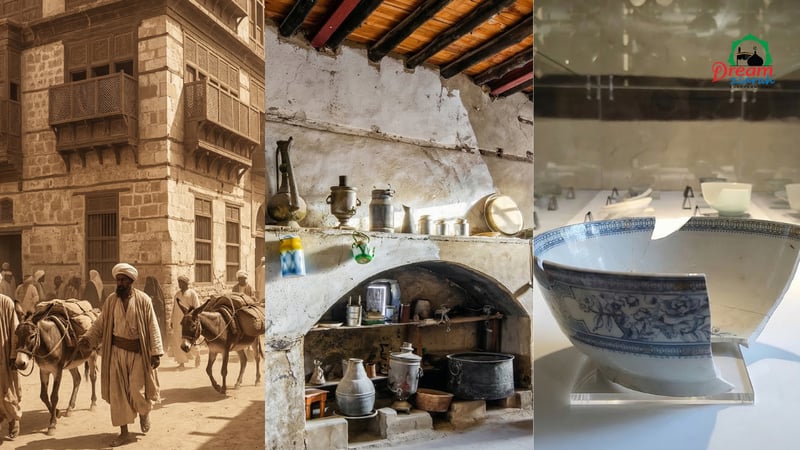
Nassif House was built in the late 19th century by the Nassif family, one of the most influential merchant families in Jeddah at the time. The family played a major role in the city’s commercial, social, and intellectual life, benefiting from Jeddah’s position as a key Red Sea port and gateway for pilgrims traveling to Makkah. Their wealth and status allowed them to construct a residence that was not only large and architecturally refined but also socially significant.
The original purpose of Nassif House went beyond being a private family home. It was designed as a multifunctional space where business, hospitality, and community gatherings could take place. Merchants, scholars, and respected figures were regularly received here, making the house a center of dialogue and exchange. Its strategic location in Al Balad further strengthened its importance, placing it at the heart of Jeddah’s commercial and cultural activity. The design of the house, with its spacious rooms and internal courtyards, reflects this dual role as both a residence and a place of public interaction.
Nassif House and Saudi History
Nassif House holds a special place in Saudi history due to its direct connection with King Abdulaziz, the founder of the Kingdom of Saudi Arabia. During the early stages of unifying the country, King Abdulaziz stayed at Nassif House while in Jeddah. The building served as an important venue for meetings and discussions during a pivotal period in the region’s political transformation.
Beyond its political relevance, Nassif House also carried strong social and cultural significance. It symbolized Jeddah’s openness, hospitality, and role as a meeting point between different regions and communities. Intellectual discussions, social gatherings, and cultural exchanges held within its walls contributed to shaping the city’s identity. Today, the preserved structure stands as a tangible reminder of Jeddah’s historical importance, combining political memory with everyday social history. This layered past gives Nassif House its enduring authority as one of the most meaningful heritage sites in the city.
Architecture and Design Features
Traditional Hijazi Architecture
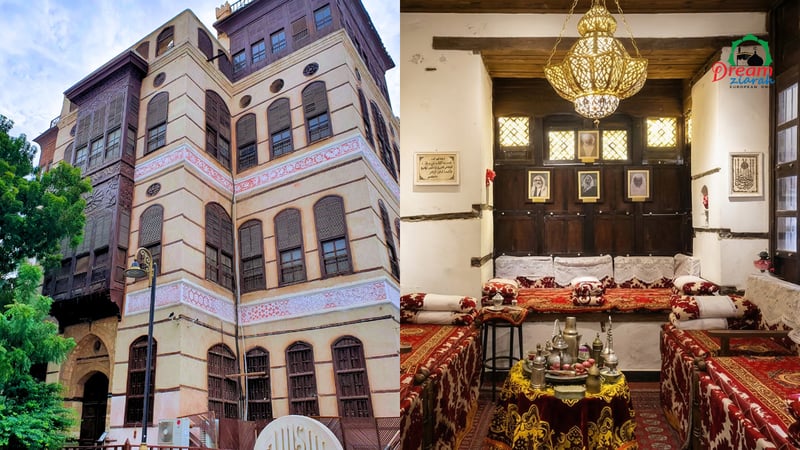
The architectural design of Nassif House Museum is a strong representation of traditional Hijazi architecture, a style shaped by the climate, culture, and social traditions of western Saudi Arabia. One of the most notable elements of this design is the use of coral stone construction, a locally sourced material from the Red Sea. Coral stone was widely used in historic Jeddah because of its natural insulation properties, helping keep interiors cooler in hot weather.
Another defining feature of the house is its beautifully crafted wooden Rawashin (lattice windows). These projecting wooden windows are both functional and decorative, allowing air circulation while limiting direct sunlight. At the same time, they ensured privacy for residents, especially women, while offering a clear view of the street below. The Rawashin of Nassif House also reflect skilled craftsmanship and signal the social standing of the Nassif family within old Jeddah.
The overall structure of the house shows a strong focus on ventilation and climate-responsive design. High ceilings, multiple openings, and carefully planned window placements encouraged natural airflow throughout the building. This thoughtful approach made the house comfortable long before modern cooling systems, highlighting the practical intelligence behind Hijazi architectural traditions.
Interior Layout and Unique Elements
The interior of Nassif House Museum is centered around a traditional courtyard design, a key feature of historic homes in Al Balad. This open space provided light, air, and privacy while serving as a central area for family life and daily activities. It also helped regulate indoor temperatures naturally.
The staircases, ceilings, and rooms reflect both elegance and functionality. Wide staircases connect multiple levels, emphasizing the house’s role as a place for hosting guests and gatherings. Decorative wooden ceilings and spacious rooms illustrate the lifestyle of prominent families in old Jeddah, where hospitality and social interaction were essential parts of daily life. Together, these elements clearly show how the house mirrors the cultural values, living patterns, and architectural identity of historic Jeddah.
What to See Inside Nassif House Museum
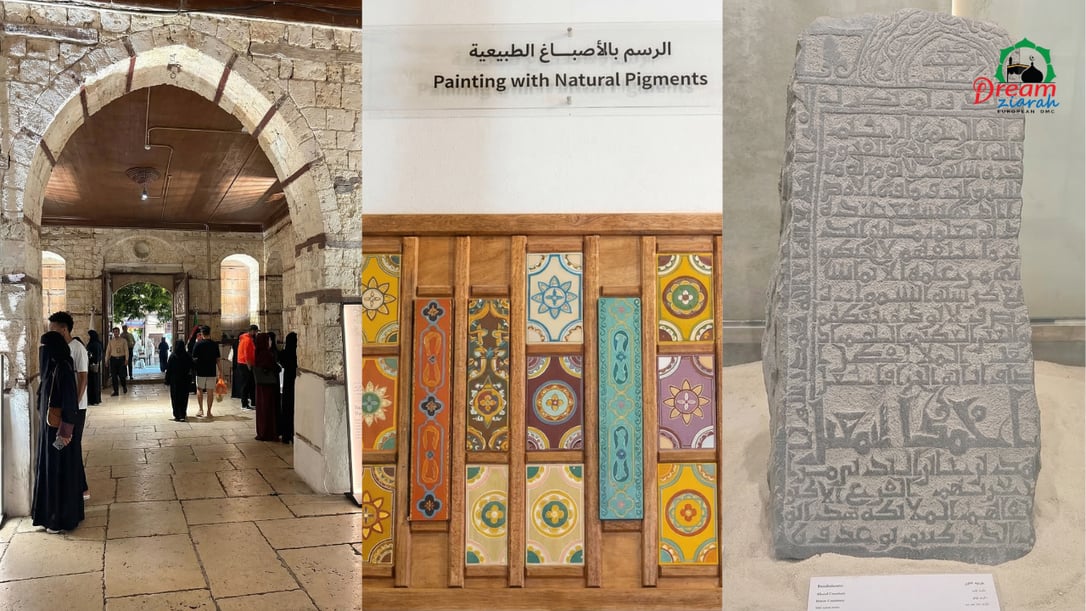
Visitors to Nassif House Museum are welcomed into a thoughtfully restored space that brings the history of Jeddah’s old town to life. One of the main highlights of the museum is its restored rooms and exhibitions, where original architectural details have been carefully preserved. These rooms reflect how the house once functioned as both a private residence and a place for social and political gatherings. Walking through them offers a sense of scale, design, and atmosphere that cannot be captured through photographs alone.
Another key attraction is the collection of historical photographs and artifacts displayed throughout the museum. These include rare images of old Jeddah, prominent figures, and important moments in the city’s development. Alongside the photographs, visitors can see everyday objects, documents, and personal items that help illustrate how life was lived in the past. Together, these elements provide valuable historical context and deepen the visitor’s understanding of the city’s transformation over time.
The museum also features cultural displays showing daily life in Al Balad, focusing on traditional customs, social practices, and household activities. These exhibits highlight the rhythms of family life, trade, and hospitality that defined the community in historic Jeddah. By presenting these aspects in a clear and engaging way, the museum allows visitors to connect with the human stories behind the architecture.
In addition to its permanent displays, Nassif House Museum may host temporary or rotating exhibits that explore specific themes related to heritage, culture, or local history. These changing exhibitions encourage repeat visits and ensure that the museum remains a dynamic and evolving cultural space within Al Balad.
Location – Where Is Nassif House Museum?
Nassif House in Al Balad, Jeddah
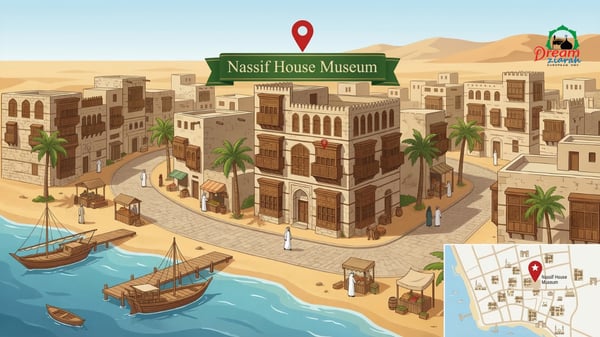
Nassif House Museum is located in the heart of Al Balad, Jeddah’s historic old town, an area known for its narrow streets, traditional buildings, and deep cultural roots. The museum sits within one of the most historically dense parts of Al Balad, surrounded by centuries-old merchant houses, mosques, and traditional markets. This exact location places Nassif House at the center of Jeddah’s heritage zone, making it easy to include as part of a broader exploration of the old city.
The museum is within walking distance from several well-known Al Balad landmarks, including traditional souqs, heritage homes, and cultural squares. Visitors exploring Al Balad on foot can easily reach Nassif House while moving between nearby historical sites, making it a natural stop on any heritage walk through the district. Clear signage and the recognizable architectural style of the building also help visitors identify the location without difficulty.
How to Reach Nassif House
Reaching Nassif House Museum is straightforward, whether you are arriving from elsewhere in Jeddah or already exploring Al Balad.
- By car: Visitors can drive to Al Balad and park in designated parking areas near the historic district. From there, Nassif House is accessible with a short walk through the old streets. Due to narrow roads, direct parking next to the museum may be limited.
- On foot within Al Balad: Walking is one of the best ways to reach and experience the museum. The compact layout of Al Balad allows visitors to move easily between landmarks while enjoying the traditional urban atmosphere.
- Public transport considerations: Taxis and ride-hailing services can drop visitors close to Al Balad’s entrances. From drop-off points, Nassif House is easily reachable on foot, making public transport a practical option for visitors without private vehicles.
Visiting Nassif House Museum
Planning your visit to Nassif House Museum is simple, and knowing a few practical details in advance can help you make the most of your time in Al Balad, Jeddah. As a cultural and heritage site, the museum is designed to be accessible and informative for both local visitors and international travelers.
Opening Hours
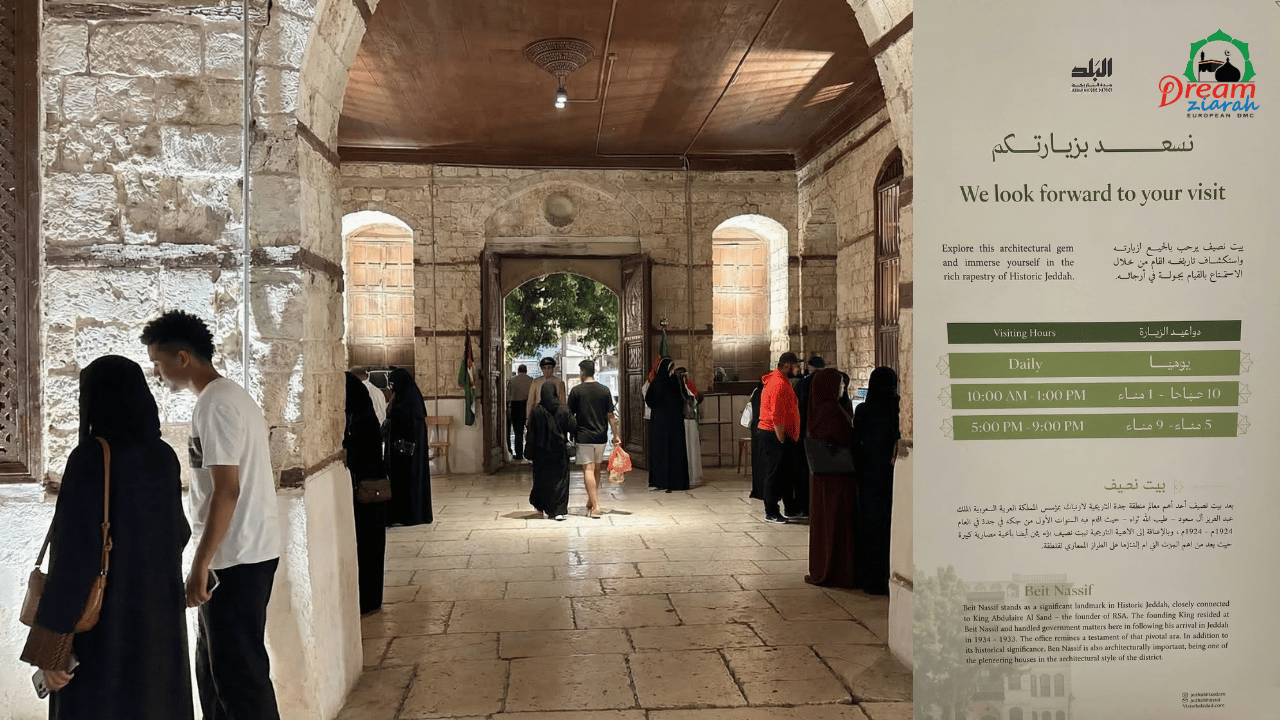
The opening hours of Nassif House Museum may vary depending on the season, public holidays, or cultural events in Al Balad. Typically, the museum is open during daytime and early evening hours, allowing visitors to explore the building comfortably.
The best time of day to visit is usually in the morning or late afternoon, when temperatures are more pleasant and the surrounding streets of Al Balad are less crowded. Visiting earlier in the day also allows enough time to explore nearby heritage sites on foot.
Entry Fee and Tickets
In many cases, entry to Nassif House Museum is free, as part of ongoing efforts to promote cultural awareness and heritage tourism in Jeddah. However, access policies can change during special exhibitions, festivals, or officially organized events.
Occasionally, special conditions or events may require prior registration, guided visits, or limited entry slots. It is always recommended to check local announcements or official tourism updates before planning your visit, especially during peak seasons.
Visitor Tips
Visitors are encouraged to follow a modest dress code, in line with local customs and the cultural nature of the site. Comfortable clothing and walking shoes are recommended, as exploring the museum and Al Balad often involves standing and walking.
Photography rules are generally relaxed for personal use, but flash photography or commercial shooting may be restricted in certain areas or during exhibitions. Always observe posted guidelines inside the museum.
To fully explore the restored rooms and exhibits, visitors should plan to spend around 45 minutes to 1 hour inside the museum. This allows enough time to appreciate the architecture, displays, and historical context without rushing.
Why Nassif House Museum Is Important Today
Nassif House Museum continues to hold deep relevance in modern Jeddah, not only as a historic structure but as a living symbol of cultural identity and continuity. In a rapidly developing city, the museum plays a crucial role in ensuring that the traditions, architecture, and social history of old Jeddah (Al Balad) are preserved and respected.
One of the museum’s most important contributions is cultural preservation. Through careful restoration and maintenance, Nassif House protects traditional Hijazi architectural techniques, materials, and design principles that might otherwise be lost. The building itself acts as an artifact, allowing visitors to experience authentic heritage rather than simply read about it. By safeguarding this historic residence, the museum helps maintain a physical link to Jeddah’s past and supports wider efforts to protect the historic Al Balad district.
The educational value for visitors is another key reason for its importance today. Nassif House Museum offers an accessible and engaging way to learn about Jeddah’s social structure, daily life, and historical development. Students, researchers, and travelers alike can gain insights into how families lived, how communities interacted, and how the city evolved over time. The exhibits, architectural details, and historical context presented within the museum make complex history easy to understand and relevant to modern audiences.
Finally, Nassif House Museum plays a growing role in Saudi Arabia’s heritage tourism. As the country places increasing emphasis on cultural tourism, the museum serves as a cornerstone attraction in Jeddah’s historic district. It attracts both domestic and international visitors seeking meaningful cultural experiences, helping diversify tourism beyond modern landmarks. In doing so, Nassif House strengthens Jeddah’s position as a destination where history, culture, and identity are actively preserved and shared.
Nassif House Museum vs Other Al Balad Heritage Houses
Nassif House Museum stands out among the many historic homes in Al Balad due to its unique combination of historical influence, architectural scale, and public accessibility. While Al Balad is home to numerous well-preserved heritage houses, Nassif House holds a special status that sets it apart from the rest.
One of the key factors that makes Nassif House Museum unique is its strong association with major historical figures and events. Unlike many other heritage houses that served primarily as private residences, Nassif House played a direct role in political and social history, including its connection with King Abdulaziz. This historical depth gives the house national significance, elevating it beyond a local architectural landmark. Additionally, the scale of the building, with its multiple floors, spacious rooms, and prominent Rawashin, reflects the influence and status of the Nassif family in Jeddah’s past.
When compared with other historic homes in Al Balad, many of which are admired mainly for their architectural beauty, Nassif House offers a more comprehensive visitor experience. While other houses may be partially restored or externally accessible, Nassif House functions fully as a museum, with curated exhibitions, historical displays, and interpretive information. This allows visitors to understand not only how these homes looked, but how they were used and why they mattered within Jeddah’s social and cultural landscape.
For many visitors, Nassif House Museum is often the first stop when exploring Al Balad. Its central location, historical prominence, and museum format make it an ideal introduction to the district. By visiting Nassif House first, travelers gain valuable context that enhances their understanding of other heritage houses and landmarks throughout Al Balad, making the rest of their exploration more meaningful and informed.
Best Time to Visit Nassif House Museum
Choosing the right time to visit Nassif House Museum can greatly enhance your overall experience, especially when exploring the open-air streets of Al Balad, Jeddah. Seasonal conditions, weather patterns, and cultural events all play an important role in determining the most comfortable and rewarding time for a visit.
Seasonal Considerations
The best season to visit Nassif House Museum is generally between October and March, when temperatures in Jeddah are milder. During these months, walking through Al Balad’s historic streets feels more comfortable, allowing visitors to explore multiple heritage sites without fatigue. Summer months, particularly from June to September, can be very hot and humid, which may limit the time visitors wish to spend outdoors.
Weather Impact
Weather has a direct impact on visits to Nassif House Museum, as much of the experience includes walking between historic buildings. Cooler temperatures make it easier to appreciate architectural details and cultural spaces at a relaxed pace. Visiting during early mornings or late afternoons is ideal year-round, as these times avoid peak heat and provide softer natural light, which also enhances photography inside and around the museum.
Events and Festivals in Al Balad
Another excellent time to visit is during cultural events or festivals in Al Balad. Seasonal heritage festivals, art exhibitions, and community events often take place in the historic district, bringing the area to life with performances, guided walks, and temporary exhibitions. Visiting Nassif House Museum during these periods offers a richer cultural experience, as the museum becomes part of a wider celebration of Jeddah’s history and traditions. However, visitors should expect larger crowds during major events and plan accordingly.
Things to Do Near Nassif House Museum
Exploring the area around Nassif House Museum is an essential part of the experience, as the museum is located in the heart of Al Balad, one of Jeddah’s most culturally rich districts. The surrounding neighborhood offers numerous opportunities to extend your visit and gain a deeper understanding of the city’s heritage, lifestyle, and traditions.
One of the most rewarding activities is walking through the streets of Al Balad. The narrow alleyways, historic buildings, and wooden Rawashin create an atmosphere that reflects centuries of urban life. A slow walk allows visitors to notice architectural details, traditional doorways, and restored houses that tell stories of Jeddah’s past. This walkable environment makes it easy to move between landmarks and provides excellent opportunities for photography and cultural observation.
Several nearby historical sites are located within a short walking distance of Nassif House Museum. These include other restored heritage homes, historic mosques, and cultural squares that played important roles in the social and religious life of old Jeddah. Visiting these sites after Nassif House helps build a broader historical context and allows travelers to compare different architectural styles and functions within Al Balad.
Visitors can also enjoy traditional markets and cafes scattered throughout the district. Local souqs offer spices, textiles, handicrafts, and everyday goods that reflect long-standing trading traditions. Nearby cafes provide a chance to rest and experience local flavors in a historic setting. Together, these activities complement a visit to Nassif House Museum and encourage visitors to spend more time exploring Al Balad’s living heritage.
Conclusion:
Nassif House Museum stands as a powerful reminder of Jeddah’s rich historical journey and its role as a cultural gateway along the Red Sea. From its origins as the residence of the influential Nassif family to its association with key moments in Saudi history, the house reflects the political, social, and economic importance of Al Balad during a formative period of the city’s development. Its preserved structure allows visitors to experience history in an authentic and obvious way.
The cultural and architectural value of Nassif House Museum lies in its exceptional example of traditional Hijazi architecture. Features such as coral stone construction, wooden Rawashin, spacious courtyards, and climate-responsive design highlight the ingenuity of historic building practices in Jeddah. Inside, carefully curated exhibits, restored rooms, and cultural displays provide insight into daily life, traditions, and community values that once defined the old city. Together, these elements make the museum both an educational space and a living cultural record.
Today, Nassif House Museum remains a must-visit landmark in Jeddah because it offers more than visual beauty—it provides context. For first-time visitors to Al Balad, the museum serves as an ideal introduction to the district’s heritage, helping them understand the significance of the surrounding streets, homes, and markets. For returning visitors, it offers deeper appreciation through its layered history and evolving exhibitions.
Visitors are encouraged to explore Nassif House with respect and curiosity, taking time to understand its stories, architecture, and cultural meaning. By engaging thoughtfully with this historic site, travelers contribute to the continued appreciation and preservation of Jeddah’s heritage for future generations.
No Latest Posts Found