Al Rahma Mosque – The Iconic Floating Mosque of Jeddah
Al Rahma Mosque is one of Jeddah’s most recognizable coastal landmarks, admired for its serene setting and spiritual presence along the Red Sea. Situated on the Jeddah Corniche, the mosque offers a calm space for worship while also welcoming visitors who come to appreciate its architecture and seaside location. Its clean lines, soft colors, and open surroundings create an atmosphere that feels both peaceful and visually striking.
Table of Contents
The mosque is famously known as the “Floating Mosque” because it appears to float on the water during high tide. Built on sturdy pillars extending into the sea, the structure gives the illusion of resting directly on the Red Sea’s surface, especially when the water level rises. This unique visual effect has made Al Rahma Mosque one of the most photographed sites in Jeddah and a standout example of how architecture and nature can blend seamlessly.
Al Rahma Mosque is popular with both worshippers and visitors. For locals, it is a meaningful place of prayer with a tranquil sea-facing setting. For first-time visitors, it offers an accessible introduction to Islamic architecture and Jeddah’s coastal identity. Whether visited for prayer, reflection, or sightseeing, Al Rahma Mosque Jeddah leaves a lasting impression through its simplicity, location, and sense of calm by the sea.
History of Al Rahma Mosque
When and Why Al Rahma Mosque Was Built
Al Rahma Mosque Jeddah was built in the late 1980s as part of Jeddah’s broader coastal development, with the intention of creating a mosque that would serve both spiritual and community needs while harmonizing with the city’s Red Sea setting. Constructed on pillars extending into the sea, the mosque was designed not only as a place of prayer but also as a symbol of serenity, openness, and reflection in an urban environment.
The primary purpose of Al Rahma Mosque Jeddah has always been worship. Positioned along the Corniche, it allows worshippers to pray in a calm, sea-facing setting that naturally encourages contemplation. Over time, the mosque also became an important community space—welcoming locals, travelers, and visitors who wished to experience Islamic architecture and spirituality in an accessible way. Its open location and visibility helped bridge daily city life with moments of pause, prayer, and remembrance.
Beyond formal prayers, the mosque plays a quiet but meaningful role in community life. People visit not only during prayer times, but also to sit, reflect, and reconnect spiritually while overlooking the sea. This balance between function and environment is central to the mosque’s lasting significance.
Meaning Behind the Name “Al Rahma”
The name “Al Rahma” means “The Mercy”, a concept that holds deep spiritual weight in Islam. Rahma is one of the most frequently emphasized attributes of Allah in the Qur’an, reminding believers that mercy, compassion, and forgiveness are central to faith. The Qur’an repeatedly describes Allah as Ar-Rahman and Ar-Raheem, reinforcing mercy as a foundation of belief and conduct.
In Islamic tradition, mercy is not limited to worship alone—it extends to human relationships, care for others, and balance with the world around us. While there is no specific hadith uniquely tied to the naming of Al Rahma Mosque, the broader Islamic teaching is clear. The Prophet Muhammad ﷺ emphasized mercy as a defining quality of faith, teaching that those who show mercy to others are recipients of mercy themselves. This message aligns naturally with the mosque’s name and purpose.
The symbolism of Al Rahma Mosque Jeddah is therefore both spiritual and visual. Standing above the sea—often calm, sometimes powerful—the mosque reflects mercy as something vast, surrounding, and constant. Its name and setting together convey a quiet message: faith grounded in compassion, humility, and reflection.
Architecture and Design of Al Rahma Mosque
Floating Mosque Design
The most unique architectural feature of Al Rahma Mosque Jeddah is its famous floating mosque design. The mosque is constructed on a series of strong pillars over the Red Sea, allowing the structure to extend directly above the water. This design was carefully planned to ensure stability while maintaining a close visual connection with the sea, making the surrounding natural environment an integral part of the mosque’s identity.
During high tide, the water rises around the pillars, creating the illusion that the mosque is floating on the surface of the sea. This effect is especially striking from a distance and during calm weather, when the reflection of the structure blends seamlessly with the water below. The floating appearance is not merely aesthetic—it reinforces a sense of tranquility and detachment from the busy city behind it, encouraging worshippers and visitors to focus inward.
Architectural Style and Materials
The architectural style of Al Rahma Mosque Jeddah follows traditional Islamic architectural elements, expressed in a clean and contemporary form. The mosque features a central dome, graceful minaret, geometric patterns, and balanced proportions that reflect classical Islamic design principles without excessive ornamentation. Its exterior colors are soft and light, complementing the sea and sky rather than competing with them.
Inside, the mosque is defined by interior simplicity and elegance. The prayer hall is open and uncluttered, allowing worshippers to focus on prayer without distraction. Subtle decorative details, gentle lighting, and carefully chosen materials create a calm and respectful atmosphere. This restrained interior design reflects an important Islamic architectural value—beauty through balance, humility, and purpose rather than excess.
Together, the floating structure and understated design make Al Rahma Mosque a powerful example of how architecture can serve both spiritual function and visual harmony with nature.
Location – Where Is Al Rahma Mosque in Jeddah?
Al Rahma Mosque on Jeddah Corniche
Al Rahma Mosque Jeddah is located directly on the Jeddah Corniche, along the Red Sea coastline, making it one of the city’s most visually distinctive seaside landmarks. The mosque is positioned on a short extension over the water, set slightly away from the main road, which gives it a peaceful and open presence despite being within the city.
Its exact coastal placement allows uninterrupted views of the Red Sea from multiple angles. The mosque faces the sea, with the prayer hall and surrounding platforms oriented toward open water. This sea-facing setting enhances the calm and reflective atmosphere, especially during sunrise, sunset, and evening hours when the light changes over the water. The surrounding Corniche walkways also provide clear sightlines, making the mosque easy to spot from a distance.
How to Reach Al Rahma Mosque
Reaching Al Rahma Mosque Jeddah is straightforward due to its accessible location along the Corniche.
- By car: Visitors can drive along the Corniche Road, with parking areas available nearby. From the parking points, the mosque is just a short walk away.
- On foot along the Corniche: Walking is one of the most pleasant ways to reach the mosque. The Corniche’s pedestrian paths lead directly to the site, allowing visitors to enjoy sea views along the way.
- Taxi and ride-hailing access: Taxis and ride-hailing services can drop visitors close to the mosque entrance. This option is especially convenient for first-time visitors or those arriving during prayer times.
Thanks to its central coastal location, Al Rahma Mosque is easy to include in any Corniche walk or waterfront visit in Jeddah.
Visiting Al Rahma Mosque
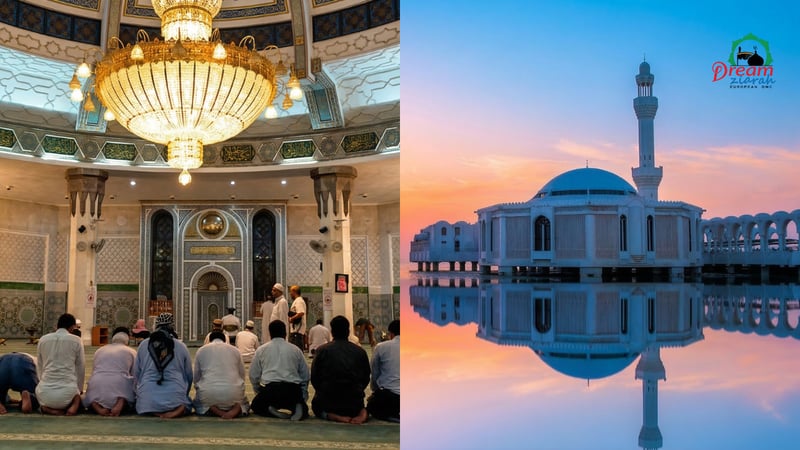
Visiting Al Rahma Mosque Jeddah is a calm and respectful experience, whether you are coming for prayer or to appreciate the mosque’s unique seaside setting. Understanding visiting hours and entry guidelines helps ensure a smooth and meaningful visit.
Visiting Hours
Al Rahma Mosque Jeddah follows regular prayer times, during which the mosque is primarily reserved for worshippers. These times change daily based on the Islamic prayer schedule. During prayers—especially Jumu‘ah (Friday prayer)—the mosque may be busy, and sightseeing access is limited.
For sightseeing hours, visitors generally come outside of prayer times, when the mosque surroundings are quieter and movement is less restricted. Early mornings and late afternoons are ideal for visitors who wish to view the architecture, enjoy the sea-facing setting, or take photographs from the Corniche without disturbing worshippers.
Entry Rules for Visitors
Entry for non-Muslim visitors is usually permitted in designated areas and outside active prayer times. While access to the main prayer hall may sometimes be limited, visitors are welcome to observe the mosque respectfully from permitted spaces and enjoy its architectural and coastal features.
During prayer times, visitors should avoid entering prayer areas, keep noise to a minimum, and remain mindful of worshippers. Modest dress is expected for all visitors, and respectful behavior—such as refraining from loud conversations or intrusive photography—is essential.
Overall, visiting Al Rahma Mosque Jeddah is best approached with awareness and courtesy. By respecting prayer schedules and local guidelines, visitors can appreciate the mosque not only as a landmark, but as a living place of worship rooted in spiritual purpose.
Best Time to Visit Al Rahma Mosque
Choosing the right time to visit Al Rahma Mosque can greatly enhance both the spiritual atmosphere and visual experience, especially given its unique position over the Red Sea.
Day vs Evening Experience
A daytime visit offers clear views of the mosque’s architecture, pillars, and sea-facing design. Natural light highlights the mosque’s clean lines and soft tones, making it ideal for appreciating structural details and the surrounding coastline. Mornings are generally quieter, which suits visitors seeking a calm, reflective experience.
The evening experience, however, is often the most memorable. Around sunset, the sky shifts through warm colors as the mosque appears to float against the glowing horizon. As evening sets in, soft lighting illuminates the structure, enhancing its serene presence over the water. This time is especially popular with visitors and photographers, as the blend of sunset views and sea reflections creates a peaceful, almost timeless atmosphere.
Weather and Seasonal Considerations
The cooler months from October to March are the best time to visit Al Rahma Mosque. During this period, temperatures are more comfortable, humidity is lower, and spending time outdoors along the Corniche feels pleasant. These conditions also improve comfort and visibility, allowing visitors to enjoy unobstructed sea views and longer walks around the mosque.
In warmer months, daytime heat can be intense, so visiting after sunset is recommended. Overall, evenings during the cooler season provide the best balance of comfort, visibility, and atmosphere for experiencing Al Rahma Mosque at its finest.
Things to Do Near Al Rahma Mosque
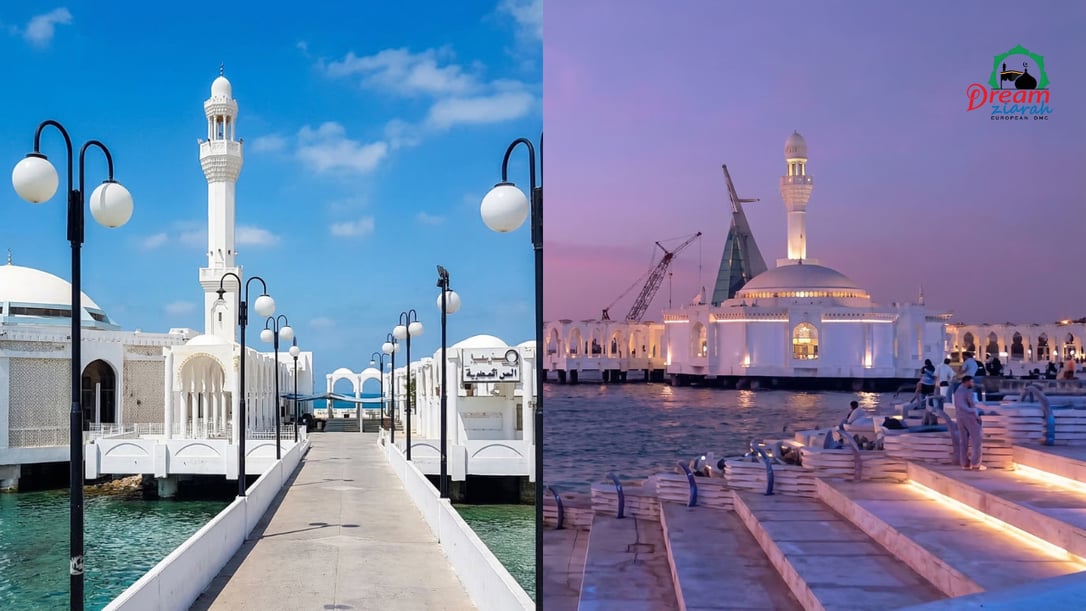
The area around Al Rahma Mosque offers a relaxed mix of scenery, walking paths, and leisure spots, making it easy to extend your visit beyond the mosque itself. Located on the Jeddah Corniche, the surroundings naturally invite slow exploration and quiet enjoyment.
One of the most popular activities is walking along Jeddah Corniche. The wide, well-maintained promenade runs alongside the Red Sea and connects the mosque with other coastal landmarks. A walk here allows visitors to enjoy fresh sea air, open horizons, and changing light throughout the day. Early mornings and evenings are especially pleasant, offering a calm atmosphere and cooler temperatures.
The Corniche also provides excellent seafront viewpoints and photography opportunities. Several open spots near the mosque offer clear angles to capture the mosque’s floating appearance, particularly during high tide or at sunset. Photographers often stop here to frame the mosque against the sea, sky, and reflections on the water. Even casual visitors find these viewpoints ideal for quiet moments and scenic views.
In addition, there are nearby cafes and leisure areas along the Corniche where visitors can relax after their walk. Seafront cafes offer light refreshments and seating with views of the water, while nearby open spaces are suitable for resting or casual gatherings. Together, these activities make the area around Al Rahma Mosque a comfortable and enjoyable part of Jeddah’s waterfront experience.
Why Al Rahma Mosque Is Famous
Al Rahma Mosque Jeddah is widely recognized as one of the city’s most distinctive landmarks, known for a rare combination of architectural uniqueness, spiritual meaning, and coastal beauty. Its reputation extends beyond religious significance, making it a place that resonates with worshippers and visitors alike.
The mosque’s floating mosque reputation is the primary reason for its fame. Built on pillars above the Red Sea, Al Rahma Mosque Jeddah appears to float on water during high tide, creating a striking visual effect that is both unusual and memorable. This illusion has set it apart from other mosques in the region and earned it the popular nickname “Floating Mosque.” The design seamlessly blends structure and sea, leaving a lasting impression on anyone who sees it for the first time.
Beyond its architectural appeal, the mosque holds strong spiritual and visual appeal. The calm sea-facing setting encourages reflection and mindfulness, while the mosque’s simple design avoids distraction, allowing worshippers to focus fully on prayer. At the same time, visitors are drawn to the peaceful atmosphere, especially during sunset and evening hours when the mosque appears softly illuminated above the water.
As a result, Al Rahma Mosque Jeddah has become an important Jeddah landmark. It symbolizes the city’s connection to the Red Sea and represents how faith, architecture, and environment can coexist harmoniously. Over time, the mosque has grown into a cultural reference point—one that reflects Jeddah’s identity as both a spiritual center and a coastal city open to visitors from around the world.
Visiting Tips for Al Rahma Mosque
Visiting Al Rahma Mosque is a peaceful experience, and following a few simple guidelines helps maintain the respectful atmosphere of this important place of worship.
Dress Code and Modesty Guidelines
Visitors are expected to dress modestly and respectfully. Clothing should cover shoulders, arms, and legs. Women are advised to wear loose-fitting clothes and carry a headscarf, especially if entering designated prayer areas. Men should avoid shorts and sleeveless tops. Dressing appropriately shows respect for the mosque’s religious purpose and ensures smooth access without discomfort.
Photography Etiquette
Photography is generally allowed outside the mosque and in surrounding Corniche areas, particularly for capturing the floating effect and sea views. However, photography inside prayer areas should be avoided unless clearly permitted. Flash photography and intrusive behavior during prayer times are discouraged. Always be mindful not to photograph worshippers without their consent.
Respectful Behavior
As an active place of worship, visitors should maintain quiet and respectful behavior, especially during prayer times. Avoid loud conversations, phone calls, or blocking entrances. Visitors are encouraged to observe prayer times from a distance and allow worshippers to move freely. Simple gestures—such as keeping the area clean and following posted guidelines—help preserve the calm and welcoming environment.
By approaching your visit with awareness and courtesy, you allow Al Rahma Mosque Jeddah to remain a place of peace, reflection, and spiritual significance for everyone.
Conclusion:
Al Rahma Mosque Jeddah stands as a meaningful blend of spiritual purpose and thoughtful architecture, offering visitors an experience that goes beyond visual beauty. As a functioning place of worship, it reflects the core Islamic values of humility, reflection, and mercy, while its floating design over the Red Sea adds a powerful architectural dimension. The mosque’s simplicity—both inside and out—allows faith and environment to take center stage, creating a calm space that feels deeply intentional.
The mosque also strongly represents Jeddah’s coastal identity. Built directly above the sea along the Corniche, it mirrors the city’s long-standing relationship with the Red Sea as a place of movement, openness, and connection. The sea-facing setting, changing tides, and open horizon reinforce Jeddah’s character as a coastal city where daily life, spirituality, and nature exist side by side. Few landmarks capture this relationship as clearly as Al Rahma Mosque.
Because of this balance, Al Rahma Mosque Jeddah remains a must-visit landmark for both worshippers and visitors. For those seeking prayer, it offers a peaceful and reflective environment. For travelers, it provides an accessible introduction to Islamic architecture, local culture, and Jeddah’s waterfront without feeling overwhelming or commercial. Its popularity comes not from grandeur, but from calm presence and meaningful design.
Visitors are encouraged to approach Al Rahma Mosque with respectful and mindful visitation—honoring prayer times, dressing modestly, and appreciating the mosque as a living place of worship. By doing so, the experience becomes not just a visit to a landmark, but a moment of quiet understanding and connection along Jeddah’s shores.
No Latest Posts Found